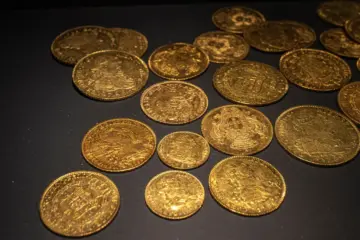
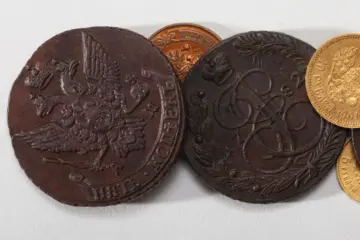
Most people have no idea what’s sitting in an old shoebox, a velvet-lined case, or a drawer they haven’t opened in years. If you’re thinking about where to sell rare coins in NYCthe good news is that the market right now is strong, and the city has some of the most knowledgeable buyers in the country. The less good news? A lot of sellers leave serious money on the table because they walk in underprepared. That’s what this article is here to fix.
Your Coins Are Probably Worth More Than You Think
There’s a persistent myth that only museum-quality pieces command real money. That’s simply not true. Collectors and dealers pay strong premiums for a surprisingly wide range of coins, early American copper cents, silver dollars from the 1800s, gold pieces from before 1933, and even certain 20th-century coins that were minted in low quantities or pulled from circulation early.
What drives value isn’t always age. Condition matters enormously. A 1921 Morgan Silver Dollar in near-mint shape can fetch multiples of what a worn example brings. Mintmarks matter too, a small letter stamped beneath the date can mean the difference between a common coin and a genuinely scarce one. Before you assume you have nothing special, take a closer look. Or better yet, let someone who knows what they’re looking at take a closer look for you.
If you’re curious about what types of pieces tend to command the highest offers, browsing the full list of what Manhattan Gold Coin Buyers purchases is a good starting point. It covers far more ground than most people expect.
The Grading Question Nobody Warns You About
Here’s where a lot of sellers get tripped up. They hear that professional grading adds value, so they rush out and get every coin slabbed before selling. Sometimes that’s the right move. Often, it isn’t.
Third-party grading services like PCGS assign coins a numerical grade and seal them in a tamper-evident holder. For genuinely rare, high-value pieces, this certification can meaningfully increase what a buyer will pay, because it removes doubt about authenticity and condition. A graded coin is easier to price, easier to sell, and harder to argue with.
The catch is that grading costs money and takes time. If you have a coin worth $80 in the open market, spending $40 to grade it doesn’t make financial sense. The math only works in your favor when the underlying coin has real value to begin with. A knowledgeable buyer can help you figure out which coins in your collection are worth the certification investment and which ones are better sold as-is. You can learn more about how PCGS certification affects coin values before you make that call.
What Separates a Good Offer From a Bad One
Not all buyers are created equal. Pawn shops, online platforms, and general antique dealers can all technically buy coins, but their expertise varies wildly, and so do their offers. A buyer who doesn’t fully understand what they’re looking at will either lowball you out of caution or miss the value entirely.
The difference between selling to a specialist and selling to a generalist can be hundreds or even thousands of dollars on a single piece. Specialists know the current collector market. They know which dates are hot, which mintmarks are scarce, and what condition premiums look like right now. They’re also more likely to make you a fair offer on an entire collection rather than cherry-picking the obvious winners and passing on everything else.
People who’ve worked with experienced local buyers often say the same thing: they wish they’d come in sooner instead of sitting on coins for years, unsure of what to do. The process is usually faster and more straightforward than they expected, and the offers reflect genuine market knowledge rather than a lowball guess.
If you want a broader view of how to approach the selling process strategically, this piece on key strategies for selling gold coins in NYC covers the landscape well.
Timing, Preparation, and Walking In With Confidence
You don’t need to become a numismatist before you sell. But a little preparation goes a long way. Gather what you have, coins, documentation, original packaging if you have it. Any paperwork that came with a coin, whether it’s an old receipt, a certificate, or a previous appraisal, adds context that a buyer will appreciate.
Don’t clean your coins. This is one of the most common and costly mistakes sellers make. Cleaning removes the natural patina that collectors and graders look for. A coin that looks “shiny and new” because someone polished it can actually be worth less than an unpolished example with honest wear. Leave them exactly as you found them.
Timing matters too. Gold and silver prices fluctuate, and the broader precious metals market directly affects what dealers can offer on bullion-content coins. Checking where spot prices stand before you walk in gives you useful context for evaluating any offer you receive.
Manhattan Gold Coin Buyers has been working with New York sellers for years, and the approach here is straightforward, no pressure, transparent pricing, and offers based on real market knowledge. Whether you have a single standout piece or an entire inherited collection, bringing it in for an evaluation costs you nothing and tells you exactly where you stand.
The coins have been waiting. Now might be the right time to find out what they’re actually worth.
Frequently Asked Questions
I found some old coins in my late relative’s apartment in Queens, how do I know if any of them are actually worth bringing in?
The article points to a few specific things worth checking before you assume you have nothing: early American copper cents, silver dollars from the 1800s, pre-1933 gold pieces, and low-mintage 20th-century coins all tend to draw serious offers. Look closely at the small letter stamped beneath the date on each coin, that mintmark can be the difference between something common and something genuinely scarce. If you’re unsure, bringing the whole collection in for an evaluation costs nothing and gives you a real answer instead of a guess.
Should I get my coins graded by PCGS before I come in, or is that a waste of money?
It depends entirely on what the coin is worth to begin with, the article is specific about this. If a coin fetches $80 on the open market, spending $40 on grading doesn’t make financial sense; the math only works when the underlying piece has real value. A knowledgeable buyer can look at what you have and tell you which coins are worth the certification cost and which ones are better sold as-is, before you spend anything.
I cleaned up some of my coins before coming in, does that hurt what I’ll be offered?
Yes, and the article flags this as one of the most common and costly mistakes sellers make. Cleaning removes the natural patina that collectors and graders look for, so a coin that looks polished can actually be worth less than an unpolished example with honest wear on it. Going forward, leave any remaining coins exactly as you found them.
Why would I get a better offer from a coin specialist than from a pawn shop or antique dealer on Atlantic Avenue?
The article puts it plainly: a buyer who doesn’t fully understand what they’re looking at will either lowball you out of caution or miss the value entirely, and that gap can run into hundreds or thousands of dollars on a single piece. Specialists track which dates are currently in demand, which mintmarks are scarce right now, and what condition premiums actually look like in today’s collector market. They’re also more likely to make a fair offer on an entire collection rather than picking out the obvious pieces and passing on everything else.
Does it matter what day or time of year I come in to sell, or is an offer an offer?
Timing does matter for coins with meaningful precious metal content, because gold and silver spot prices fluctuate and directly affect what a dealer can offer on bullion-content pieces. The article suggests checking where spot prices stand before you walk in so you have useful context for evaluating whatever offer you receive. For coins whose value is driven more by rarity and collector demand than metal weight, timing is less of a factor, but it’s still worth knowing where the market stands.