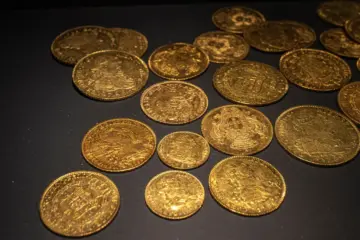
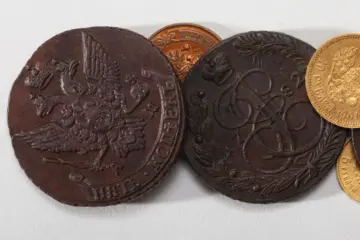
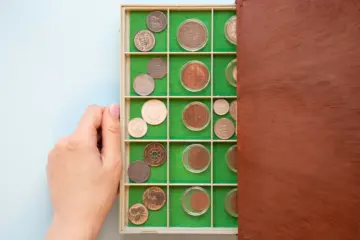
If you’ve been sitting on a collection of gold coins and wondering whether now is the right time to act, you’re not alone. People who want to sell gold coins in NYC are asking that question more than ever, and the answer, right now, is genuinely interesting. Gold prices have been climbing steadily, driven by global economic uncertainty, shifting interest rates, and a surge in demand from both institutional buyers and everyday collectors. The market isn’t standing still, and neither should you.
Why the Ground Keeps Shifting Under Gold Prices
Gold doesn’t move in a straight line. Anyone who tells you otherwise is oversimplifying. Over the past two years, spot prices have swung dramatically, sometimes within the same week, reacting to Federal Reserve announcements, inflation data, and geopolitical tension. For coin sellers, this creates both opportunity and risk.
The key thing to understand is that gold coin values aren’t purely tied to spot price. A 1-ounce American Gold Eagle will always carry some premium above melt value, but that premium fluctuates based on collector demand, coin condition, and how liquid the market is at any given moment. When spot prices rise fast, buyers sometimes compress premiums. When the market cools slightly, premiums can actually widen, meaning your coin might fetch a better percentage above melt than you’d expect.
This is why timing matters, but it’s not everything. A coin in excellent condition, properly graded, will outperform a worn coin regardless of where gold is trading that morning.
What NYC Does to the Equation
Selling coins in New York City isn’t like selling them anywhere else in the country. The density of serious buyers, the presence of major auction houses, and the sheer volume of transactions happening daily means competition is fierce, and that competition generally works in the seller’s favor.
Local buyers here have seen everything. They’re not easily spooked by unusual coins, foreign issues, or older pre-1933 American pieces. That experience matters when you’re holding something like a Saint-Gaudens Double Eagle or a collection of South African Krugerrands that a suburban pawn shop might not know how to price properly.
Manhattan Gold Coin Buyers operates in this environment every day, working with sellers who range from estate executors liquidating inherited collections to longtime hobbyists who’ve decided it’s time to cash out. That range of experience means they can assess coins quickly and accurately, which translates directly to better offers for sellers who walk through the door prepared.
One thing that comes up repeatedly from people who’ve gone through the process: they wish they had gotten multiple quotes before settling. NYC gives you that option. Use it.
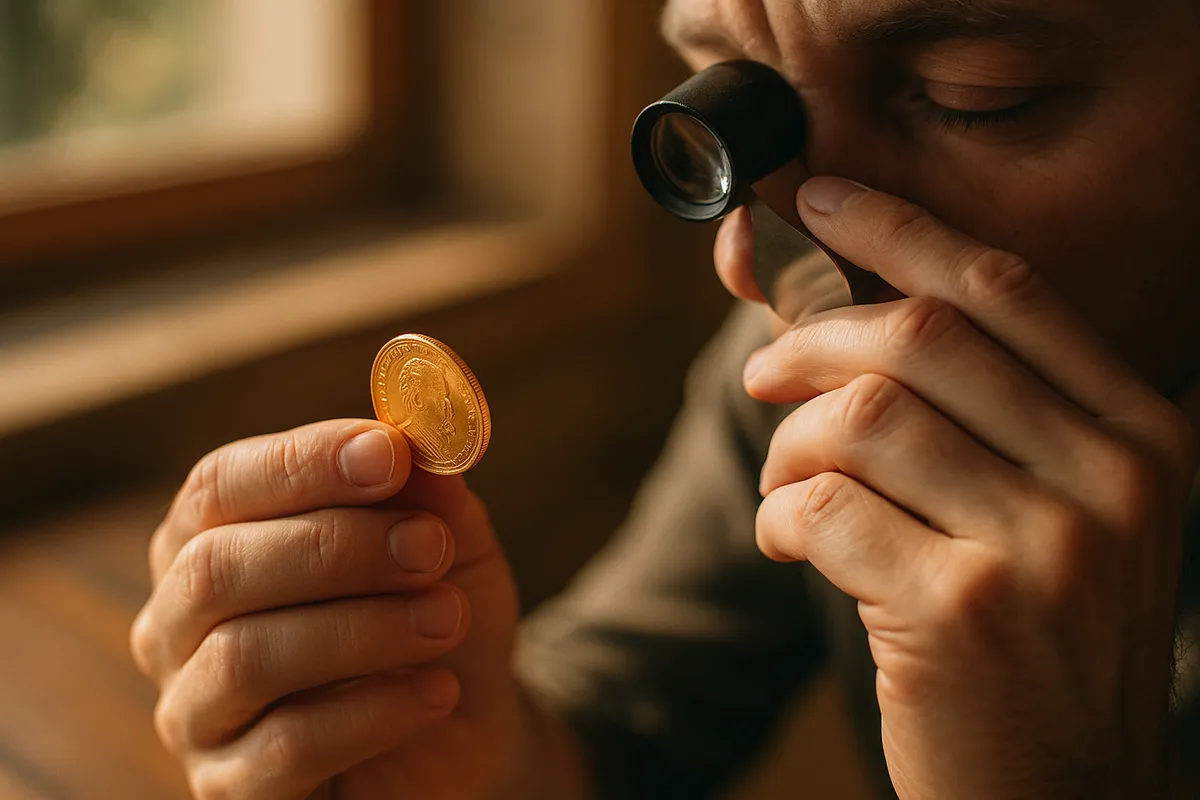
The Difference Between a Coin’s Story and Its Value
Here’s something that surprises a lot of first-time sellers. The story behind a coin, where it came from, who owned it, what historical moment it represents, almost never affects what a buyer will pay. What matters is metal content, coin grade, rarity, and current demand.
A 1909-S VDB Lincoln cent is valuable because it’s scarce, not because of any particular family history attached to it. Conversely, a common-date Morgan Silver Dollar in circulated condition is worth close to melt, regardless of how long it’s been in the family.
This isn’t cold-heartedness on the buyer’s part. It’s just how markets work. The practical takeaway: before you walk into any buyer’s office, separate your emotional attachment from your financial expectations. Get your coins assessed on their merits. If you have pieces that might be worth more as collectibles than as metal, it’s worth checking whether they’ve been graded by a recognized service like PCGSthat certification can meaningfully change what you’re offered.
Getting Ready to Sell, The Practical Side
Preparation makes a real difference in what you walk away with. Here’s what experienced sellers do before they show up anywhere:
Inventory what you have. Write it down, coin type, approximate date, country of origin if it’s a foreign coin. You don’t need to be an expert, but having a basic list shows you’re organized and helps the buyer work faster.
Don’t clean anything. This cannot be said firmly enough. Cleaning a coin, even gently, can strip away the original surface and drop its grade significantly. A coin with natural toning is almost always worth more than one that’s been polished.
Check the spot price before you go. Gold and silver prices are publicly available in real time. Knowing where the market is that morning gives you a baseline to evaluate any offer you receive. If someone quotes you something dramatically below melt value with no explanation, that’s a red flag.
Ask how the offer is calculated. A reputable buyer will walk you through their math, weight, purity, current spot, and any premium adjustments. Transparency here is non-negotiable. If a buyer can’t or won’t explain the number, walk out.
For a deeper look at how to position yourself before you sell, the key strategies for selling gold coins in NYC break down the process in practical terms worth reading before your first appointment.
The market right now rewards sellers who show up informed. Gold prices are elevated, buyer competition in New York is real, and the gap between what an unprepared seller gets versus a prepared one can be substantial. Do the homework. It pays off.
Frequently Asked Questions
If gold spot prices are high right now, why might I actually get a lower percentage above melt than I expected?
When spot prices rise quickly, buyers in NYC often compress the premiums they pay above melt value because they’re absorbing more risk on fast-moving inventory. Counterintuitively, a slight cooling in the market can actually widen those premiums, meaning your coin fetches a better percentage over melt than it would at peak prices. The condition and grade of your coin matters more consistently than trying to time the exact market peak.
Does it actually make a difference to get multiple quotes in NYC, or is pricing pretty standard across buyers?
It makes a real difference, the article specifically flags this as something sellers wish they had done before settling on a buyer. The density of serious buyers in New York means genuine competition exists, and that competition generally works in your favor as a seller. Don’t treat the first offer you receive as the final word.
I inherited a collection with some family history behind the coins, does that background add anything to what a buyer will pay?
No, and this is one of the things that surprises first-time sellers most. Buyers price based on metal content, coin grade, rarity, and current demand, the provenance or family story attached to a coin doesn’t factor into the offer. Separate your emotional attachment from your financial expectations before you walk in the door.
My coins look a little dull, should I clean them up before bringing them in to make a better impression?
Do not clean them under any circumstances. Cleaning a coin, even carefully, strips away the original surface and can drop its grade significantly, which directly lowers what you’ll be offered. Natural toning is almost always worth more to a buyer than a polished coin that’s been altered.
How do I know whether the offer a buyer gives me is fair, especially if I don’t know the math behind it?
Check the live spot price before your appointment, gold and silver prices are publicly available in real time, so you have a baseline before anyone quotes you a number. A reputable buyer should walk you through exactly how they calculated the offer: weight, purity, current spot price, and any premium adjustments. If a buyer won’t explain the calculation or the number sits dramatically below melt value with no explanation given, that’s a clear red flag and you should leave.