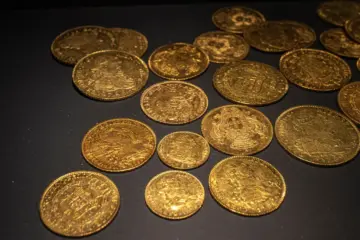
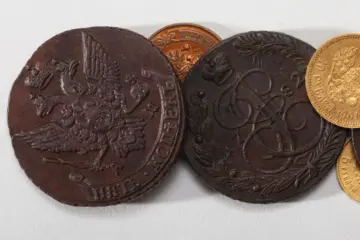
There’s a moment that happens in almost every transaction at our shop, someone walks in to sell gold coins in NYCsets a small velvet pouch or an old tin on the counter, and says something like, “I honestly have no idea what I have here.” That moment, right there, is where sellers either walk away happy or leave money on the table. After two decades of buying gold coins in this city, the patterns are impossible to miss. The sellers who do well aren’t necessarily the ones with the rarest coins, they’re the ones who showed up prepared.
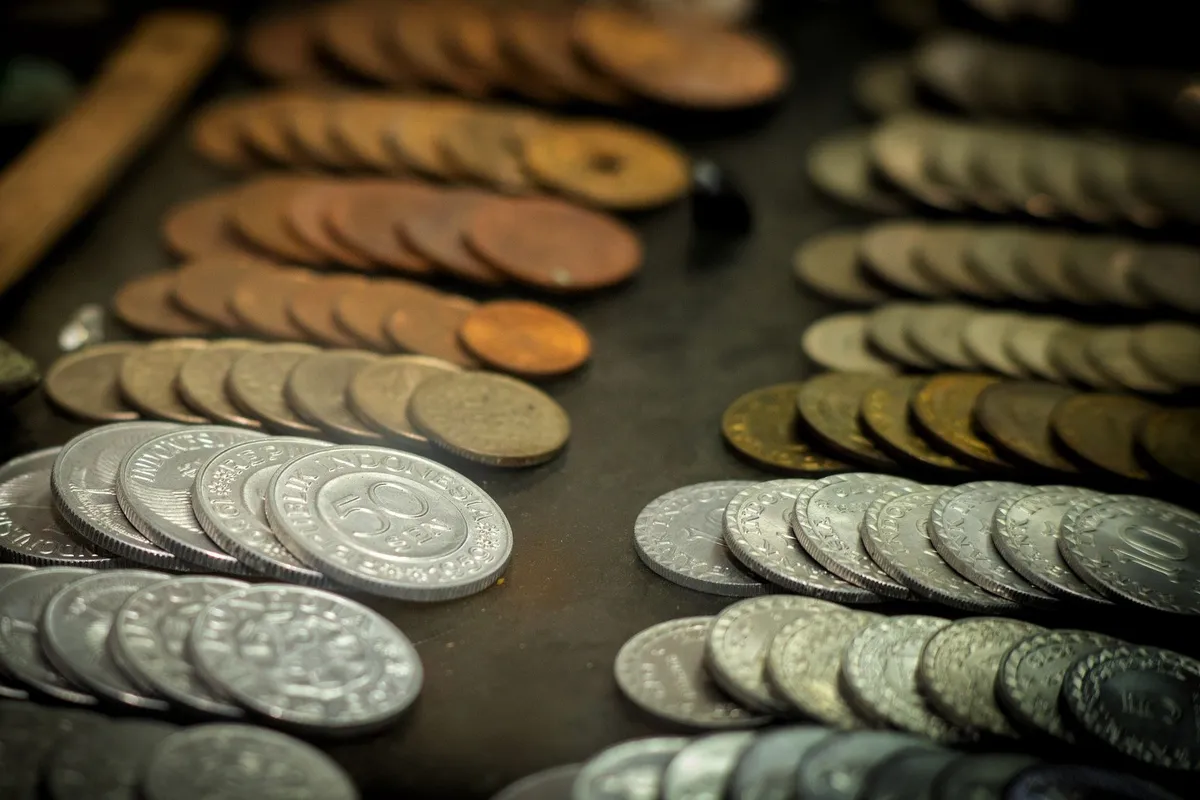
The Coin You Think Is Worthless Might Be the One Worth Selling First
Most people rank their coins by how they look. Shiny, bright, and seemingly perfect gets put at the top of the pile. Worn, dark, or scratched gets dismissed as junk. That instinct is understandable, but it’s frequently wrong.
A worn 1909-S VDB Lincoln cent or a circulated Saint-Gaudens Double Eagle carries real numismatic weight that has nothing to do with its surface condition. Gold coins in particular hold intrinsic metal value regardless of wear, and certain dates or mint marks can push the price dramatically higher than spot gold alone. The problem is, sellers who haven’t done even basic research often let those coins go at melt value without realizing what they had.
Before you bring anything in, spend thirty minutes with a basic coin reference guide or a reputable grading service’s online database. You don’t need to become an expert overnight. You just need enough information to ask the right questions when you’re sitting across from a buyer.
Why Getting a Second Opinion Isn’t Insulting, It’s Smart
A legitimate buyer won’t flinch if you tell them you’re getting multiple offers. That’s just good financial sense, and any professional worth their reputation knows it. What separates trustworthy buyers from the rest isn’t that they discourage comparison shopping, it’s that their offer holds up when you do compare.
In a city like New York, you have options. Use them. Walk into two or three shops. Pay attention not just to the number they put on the table, but to how they explain it. A good buyer will tell you exactly what they’re paying for, the gold content, the coin’s grade, whether there’s any numismatic premium on top of melt value. If someone just flips a coin over, glances at it, and throws out a number without any explanation, that’s a red flag worth paying attention to.
At Manhattan Gold Coin Buyersthe evaluation process is transparent by design. Sellers consistently mention that they appreciated understanding why they were offered what they were, not just being handed a number and pressured to decide on the spot. That kind of clarity makes a real difference, especially when you’re selling something that belonged to a parent or grandparent.
Timing Matters More Than Most People Realize
Gold prices move. That’s not news to anyone who’s followed financial markets for more than five minutes. What is news to a lot of casual sellers is just how much timing can affect what they walk away with.
Gold is priced in real time, and the offer you get on a Tuesday afternoon might be meaningfully different from what you’d receive on a Friday morning if spot prices shifted. This doesn’t mean you should obsessively watch the gold market every day, but it does mean that if you’ve been sitting on coins for months waiting for the “right time,” it’s worth checking current prices before you head out the door.
There are also seasonal patterns worth knowing. If you’re thinking about selling inherited pieces and want to understand how timing intersects with family circumstances, this piece on transforming family heirlooms into cash breaks it down in a way that’s genuinely useful for first-time sellers.
What You Bring to the Table Changes the Offer You Get
Documentation is underrated. Original packaging, certificates of authenticity, old receipts, or grading slips from services like PCGS can meaningfully increase what a buyer is willing to pay, not because the paperwork changes the coin, but because it reduces uncertainty on the buyer’s end. Less uncertainty means less risk margin built into the offer.
If your coins were professionally graded at any point, bring those slabs. If they came from a reputable dealer originally and you have any record of that, bring it. Even a photograph from an estate inventory can help establish provenance and give a buyer more confidence in what they’re looking at.
The sellers who tend to leave the most money behind are the ones who show up with a shoebox full of loose coins, no documentation, and no idea where the pieces came from. That’s not a criticism, plenty of people inherit collections that way. But if you have information, use it. It’s one of the simplest ways to strengthen your position before the conversation even starts.
Selling coins doesn’t have to be complicated or stressful. It just requires a little preparation, a willingness to ask questions, and the patience to find a buyer who treats the transaction like a professional exchange, not a quick flip. That combination is what separates a good experience from a frustrating one, every single time.
Frequently Asked Questions
How do I know if my worn or scratched gold coin is worth more than just its metal weight?
Certain dates and mint marks, like those found on Saint-Gaudens Double Eagles, can push a coin’s value well above what the gold content alone would fetch, regardless of surface condition. Spend about thirty minutes with a basic coin reference guide or check a reputable grading service’s online database before walking into any shop, so you know enough to ask the right questions when a buyer makes an offer.
Is it rude to get quotes from multiple buyers before deciding where to sell?
Not at all, any legitimate buyer in NYC will expect it and won’t pressure you to decide on the spot. What you’re looking for isn’t just the highest number, but whether the buyer can explain exactly what they’re paying for: the gold content, the coin’s grade, and whether any numismatic premium is included on top of melt value.
Does the day I walk in actually affect how much I get for my gold coins?
Yes, because gold is priced in real time and spot prices can shift meaningfully between a Tuesday afternoon and a Friday morning. It’s worth checking current gold prices before you head out the door, especially if you’ve been sitting on coins for months waiting for the right moment.
What paperwork or documentation should I bring with me when I come in?
Bring anything that reduces uncertainty for the buyer, PCGS or similar grading slabs, certificates of authenticity, original packaging, old receipts, or even a photograph from an estate inventory. Less uncertainty on the buyer’s end means less risk margin built into the offer, which typically translates to a better number for you.
What happens if I inherited a collection and have no idea where the coins came from or what they are?
Showing up with a shoebox of loose, undocumented coins isn’t unusual, but it does put you at a disadvantage because the buyer has to account for more unknowns. If you have any information at all, even a partial family history of where the collection originated, bring it, since provenance gives a buyer more confidence and can strengthen your position before the conversation even starts.