Most people walk into a gold coin appraisal NYC appointment thinking the process is straightforward, hand over the coins, get a number, done. But the reality is messier than that, and the mistakes people make before, during, and after an appraisal can cost them real money. Whether you inherited a collection from a grandparent or you’ve been quietly accumulating coins for years, knowing where things go wrong is the first step toward getting a fair deal.
Treating Every Gold Coin Like It’s the Same Animal
This is probably the most common and costly mistake of all. Not every gold coin is valued the same way, and conflating bullion value with numismatic value is a trap that catches a lot of sellers off guard.
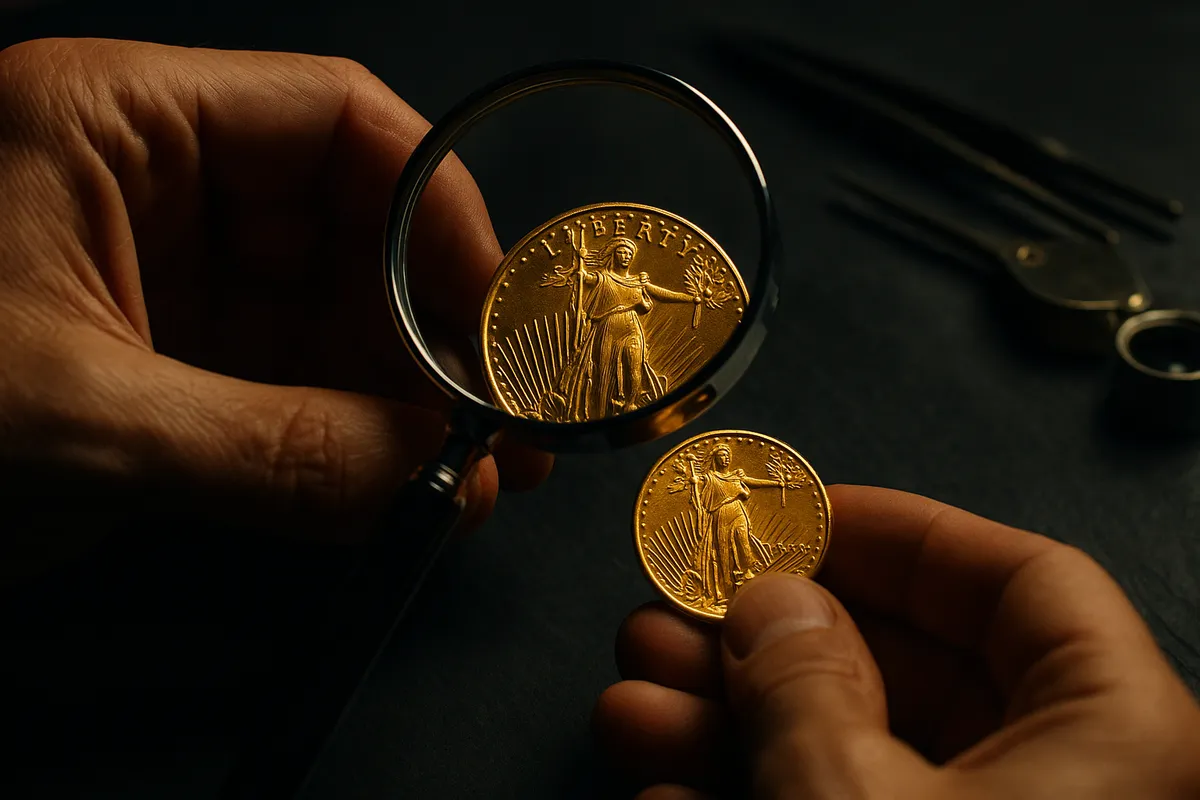
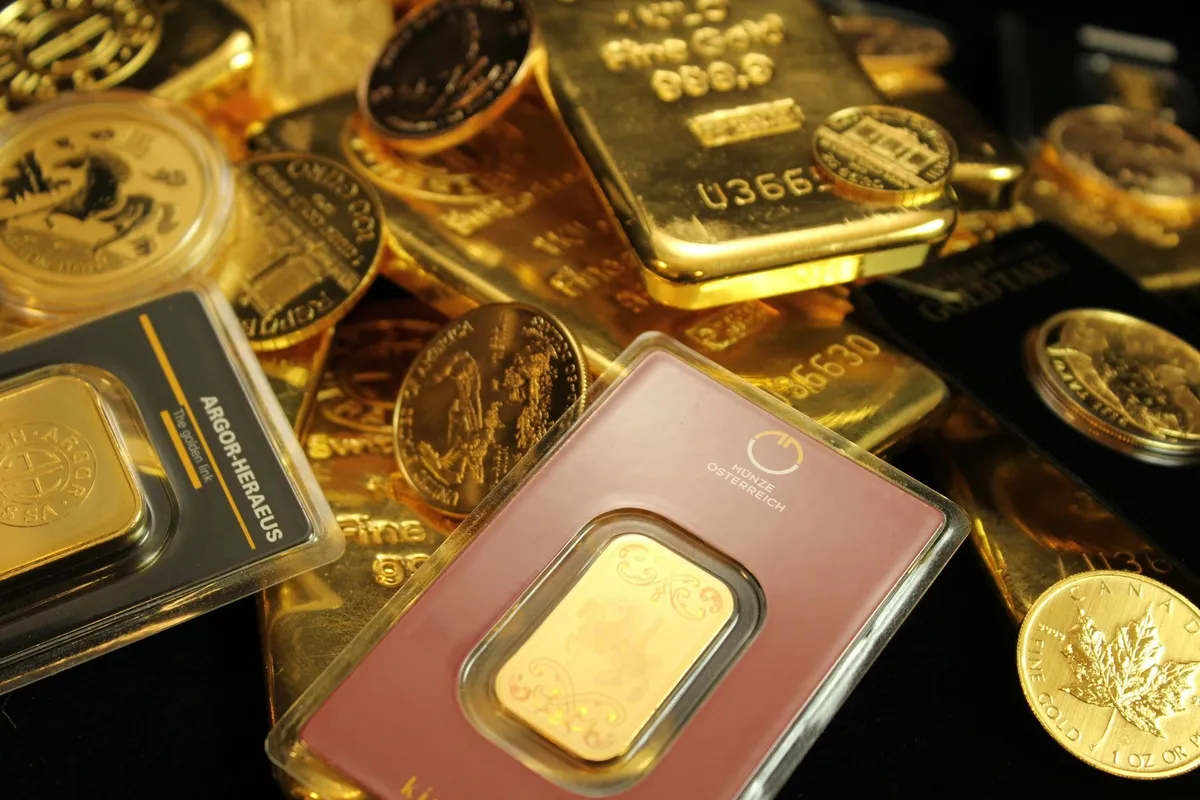
A 1-ounce American Gold Eagle, for instance, is priced primarily on its gold content. Its value moves with the spot price of gold. But a rare pre-1933 Saint-Gaudens Double Eagle in excellent condition? That coin carries a premium that has nothing to do with the metal itself. It’s about rarity, historical significance, and collector demand, factors that a straight melt-value calculation will completely ignore.
When someone brings both types of coins to an appraiser and gets a single blanket offer based on weight alone, they’ve likely left significant money on the table. Before you sit down with anyone, take the time to understand what you actually have. If any of your coins might fall into the rare or collectible category, it’s worth reading up on how rare coins can hide unexpected value before you commit to anything.
Skipping the Condition Assessment Entirely
Condition matters, a lot. Two coins from the same year and mint can have wildly different values depending on their grade. A coin that has been cleaned, polished, or improperly stored will almost always receive a lower grade than one that has been left alone, even if the cleaned coin looks shinier to the untrained eye.
Here’s the counterintuitive part: cleaning a coin, which seems like it would help, almost always hurts it. Collectors and serious buyers can spot a cleaned coin immediately. The micro-abrasions left by polishing alter the surface in ways that reduce both grade and value. Many sellers have unknowingly damaged their coins’ worth by trying to spruce them up before an appraisal.
Professional grading through a service like PCGS provides an objective, third-party assessment that protects both the seller and the buyer. If you have coins that might be genuinely valuable, getting them professionally graded before you sell is a smart move, not an unnecessary expense.
Going to the First Buyer You Find and Stopping There
One offer is not a market. It’s one person’s opinion on what your coins are worth to them, on that day, given their current inventory and business needs. Accepting the first offer you receive without shopping it around is one of the most reliable ways to undersell a collection.
This is especially true in a city like New York, where you have access to experienced, established buyers who specialize specifically in gold coins rather than generalist pawn shops or jewelry stores that treat coins as an afterthought. The difference in offers between a specialist and a generalist can be substantial.
Manhattan Gold Coin Buyers operates with that specialist focus, and sellers who come in having done their homework consistently walk away with better outcomes than those who didn’t. That tracks with what many customers say after the fact, the ones who got multiple opinions and understood their coins’ value beforehand felt far more confident about the transaction. The ones who didn’t often had lingering doubts.
If you want a clearer picture of what drives value in the current market before you start talking to buyers, the breakdown on how market changes affect gold coin prices in NYC is worth a read.
Misunderstanding What an Appraisal Actually Tells You
There’s an important distinction that a lot of sellers miss: an appraisal for insurance purposes and an appraisal for resale purposes are two very different numbers, and confusing them leads to frustration.
Insurance appraisals are typically set at replacement value, what it would cost to replace the coin on the retail market. That number is almost always higher than what a buyer will offer you, because buyers need to account for their own margin, overhead, and the time it takes to resell. Walking into a purchase offer expecting insurance-appraisal money is a setup for disappointment.
The more useful question to ask before any meeting is: what is the current resale value of this coin, given today’s spot price and collector demand? That’s the number that actually matters when you’re selling. A reputable buyer will walk you through exactly how they arrived at their offer, the gold content, the grade, any numismatic premium, so you can see the reasoning rather than just accept a figure on faith.
Transparency in that process is non-negotiable. If a buyer can’t or won’t explain how they got to their number, that’s a signal worth paying attention to. The best transactions happen when both sides understand the value of what’s on the table, and that starts with asking the right questions before you ever walk through the door.
Frequently Asked Questions
How do I know if my coin is worth more than just its gold weight?
The clearest signal is the coin’s age, rarity, and condition, a pre-1933 Saint-Gaudens Double Eagle in good shape, for example, carries a collector premium that has nothing to do with how much gold is in it. If you’re not sure what category your coins fall into, it’s worth researching them before sitting down with any buyer, because a blanket melt-value offer won’t reflect that extra worth. Bringing a mixed collection to someone who only calculates by weight is one of the fastest ways to leave real money behind.
I cleaned my coins before bringing them in, does that actually hurt me?
Yes, almost always. Cleaning leaves micro-abrasions on the surface that trained buyers and graders spot immediately, and a cleaned coin will receive a lower grade than an untouched one even if it looks shinier to you. The counterintuitive rule here is to leave coins exactly as you found them, because the original surface, even if it looks dull, is what collectors and serious buyers want to see.
Why was the number on my insurance paperwork so much higher than what buyers are offering me?
Insurance documents use replacement value, what it would cost to buy that coin again at retail, which is almost always higher than what a resale buyer will pay. Buyers have to account for their own margin, overhead, and the time it takes to move the coin, so their offer will naturally sit below that figure. The number that actually matters when you’re selling is the current resale value based on today’s spot price and collector demand, not the insurance estimate.
Is it worth getting coins professionally graded before I sell them in NYC?
If there’s a real chance any of your coins are genuinely valuable, meaning they might carry a numismatic premium beyond melt value, then yes, professional grading through a service like PCGS gives you an objective, third-party assessment that protects you during the sale. It removes the guesswork from condition disputes and gives a buyer less room to lowball you on grade. For common bullion coins where the value tracks spot price, it’s a less urgent step.
What should a buyer actually explain to me when they make an offer?
A straightforward offer should break down the gold content, the grade they’ve assigned the coin, and whether any numismatic premium is being factored in, so you can follow the reasoning rather than just accept a number. If a buyer can’t or won’t walk you through those specifics, that’s worth paying attention to. Getting at least one other offer from a specialist buyer, rather than a pawn shop or general jewelry store, gives you a real basis for comparison.