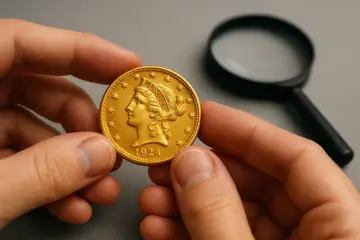
What Most People Get Wrong Before They Sell Gold Coins in NYC
Every week, people walk into our office having already made decisions that cost them money, and they don’t even know it yet. If you’re thinking about how to sell gold coins NYC style (meaning fast, smart, and without getting taken advantage of), there’s a short list of mistakes that keep showing up over and over. Learning what they are before you walk through any buyer’s door might be the most valuable thing you read today.
The Coin Jar Mentality Is Costing You Real Money
One of the most common things we see is people treating gold coins like loose change, lumping them all together, assuming they’re worth roughly the same amount, and selling in a rush without any sense of what they actually have. That approach works fine for a piggy bank. It’s a disaster for gold.
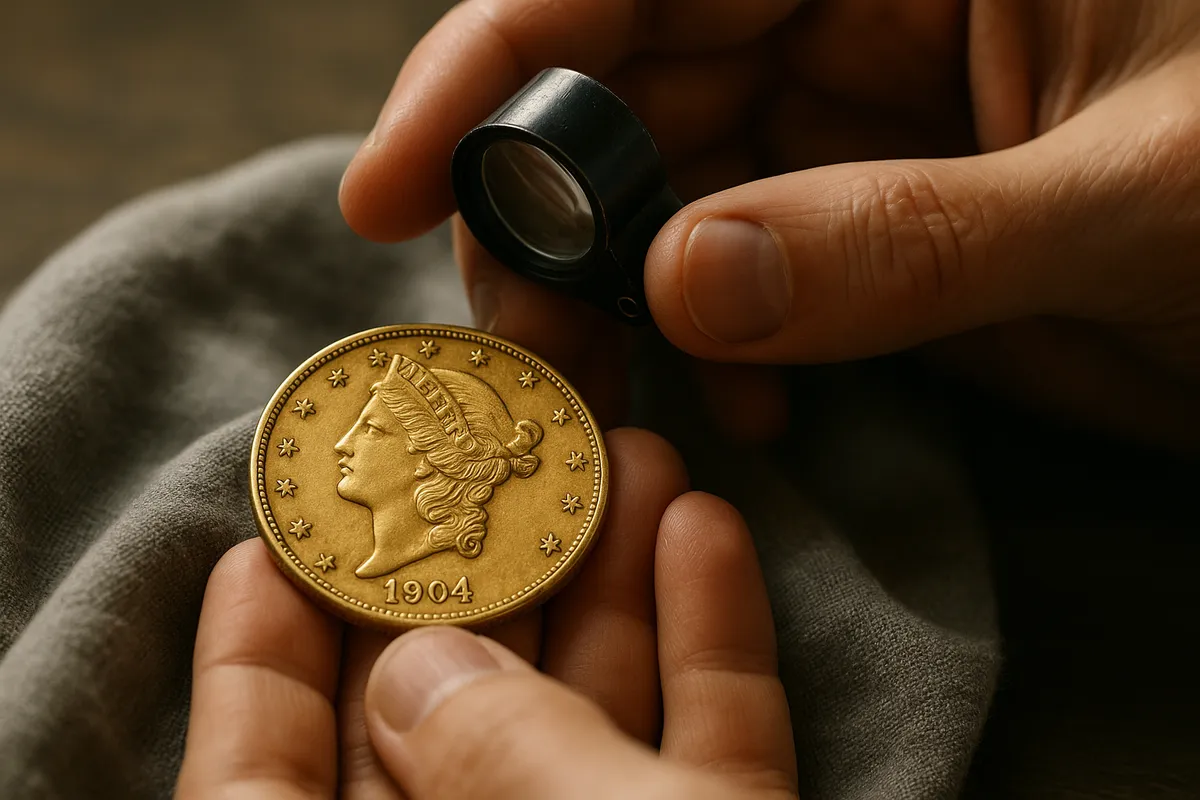
Here’s the reality: a 1924 Saint-Gaudens Double Eagle and a generic gold round are both gold, but they’re not even close to the same thing in terms of value. One carries numismatic (collector) value on top of its metal content. The other is priced almost entirely by the spot market. Mixing them up, or worse, letting a buyer mix them up, means you’re leaving money on the table before the conversation even starts.
Take a few minutes before any appointment to sort what you have. Look for dates, mint marks, and any signs of original packaging or certification. If any of your coins are PCGS-gradedthat certification can meaningfully change the offer you receive. Don’t walk in blind.
Trusting the First Number You Hear
This one stings a lot of people. Someone gets an offer, it sounds reasonable, and they take it, only to find out later that another buyer would have paid significantly more. The gold market isn’t monolithic. Different buyers have different specialties, different overhead costs, and different levels of interest in specific coin types. That gap shows up in their offers.
Getting two or three quotes isn’t paranoia. It’s just smart. A reputable buyer won’t pressure you to decide on the spot, and if someone is rushing you, that’s information worth paying attention to. Sellers who’ve worked with Manhattan Gold Coin Buyers often mention that what they appreciated most was feeling like they had time to think, no pressure, no countdown clock, just a clear and honest conversation about what their coins were actually worth.
If you want a broader sense of how the local market works before you start making calls, the guide on myths that could cost you when selling gold coins is worth a read. It covers some of the assumptions that trip people up before they even get to the negotiation stage.

Ignoring the Difference Between Melt Value and Market Value
Melt value, what your coin is worth purely as raw gold, is the floor, not the ceiling. A lot of sellers don’t realize that, and some buyers are happy to let that confusion work in their favor.
Certain coins carry a premium above melt because collectors want them. American Eagles, Krugerrands, and pre-1933 U.S. gold coins all tend to trade above their gold content value because demand for them as collectibles or investment-grade pieces is strong. If you have any of these and you’re only being offered melt value, you should be asking why.
The flip side is also true. Some coins that look impressive, heavy, shiny, old-looking, are actually worth very close to melt because they’re common, heavily circulated, or from a series that collectors don’t actively pursue. Knowing the difference before you sit down with a buyer gives you a much stronger position in any conversation about price.
This is exactly where working with a buyer who has real depth of knowledge pays off. Someone who has been in this business for years has seen thousands of collections and can tell you quickly and honestly what category your coins fall into, and why. You can learn more about what to expect from that kind of experience on the about page or check out the full range of what gets purchased on the we buy page.
Waiting for the “Perfect” Moment That Never Comes
Gold prices move. Some people spend months, sometimes years, waiting for the ideal moment to cash in, convinced that prices will climb just a little higher before they sell. Sometimes that works out. More often, it results in sitting on coins indefinitely while life moves on and the original reason for selling gets forgotten.
The truth is that timing the gold market is genuinely difficult, even for professionals. What matters more than catching the absolute peak is making sure you’re working with a buyer who pays a fair percentage of whatever the current spot price is, and who values your coins accurately on top of that. A slightly lower gold price with a better buyer often nets more than a higher gold price with someone who undervalues what you’ve brought in.
If you’re ready to stop waiting and want to understand what your coins could realistically bring right now, the best move is a straightforward conversation. You can reach out directly through the contact page to set up an appointment, no obligation, no pressure. Just a clear-eyed look at what you have and what it’s worth in today’s market.
Frequently Asked Questions About Sell Gold Coins
How do I know if I’m getting a fair price when I sell gold coins in NYC?
To ensure you’re getting a fair price, always check the current spot price of gold before visiting any buyer, as reputable dealers in NYC will base their offers on this daily market rate. We recommend getting quotes from at least two or three local buyers in neighborhoods like Midtown or the Diamond District before making a final decision. A trustworthy gold coin buyer will be transparent about how they calculate their offer, including any fees or deductions for refining.
What types of gold coins do NYC buyers typically purchase?
Most reputable gold coin buyers in NYC will purchase a wide variety of coins, including American Gold Eagles, Canadian Gold Maple Leafs, South African Krugerrands, and older pre-1933 U.S. gold coins like Double Eagles and Liberty Head coins. Rare or collectible coins may carry a numismatic premium above the standard melt value, so it’s worth having them evaluated by an experienced specialist. Even foreign gold coins or damaged coins are often accepted, though the offer may vary based on purity and condition.
Do I need an appointment to sell my gold coins at a NYC buyer location?
Many gold coin buyers in NYC welcome walk-in customers during regular business hours, making it convenient to stop by without scheduling ahead. However, if you have a large collection or particularly rare coins, calling ahead to make an appointment ensures you’ll have dedicated time with an experienced appraiser who can give your coins the attention they deserve. Appointments can also help you avoid busy periods, especially in high-traffic areas like the Diamond District on 47th Street.
What identification do I need to bring when selling gold coins in NYC?
New York State law requires gold and precious metal dealers to collect valid government-issued photo identification from sellers, such as a driver’s license, state ID, or passport. This is a standard legal requirement designed to protect both buyers and sellers and to prevent the sale of stolen property. Be prepared to provide your information, as reputable buyers are legally obligated to record this data before completing any transaction.
How quickly will I get paid after selling my gold coins in NYC?
Most established gold coin buyers in NYC offer immediate payment on the spot, typically in cash or by check, once an agreement on price has been reached. If you’re selling a particularly large or high-value collection, some buyers may offer a bank wire transfer, which can be processed within one to two business days. Always confirm the payment method before finalizing the sale so there are no surprises, and make sure you receive a written receipt documenting the transaction.