What Every New Yorker Gets Wrong About Selling Gold Coins
Every week, someone walks into a coin dealer or pawn shop in Manhattan with a handful of gold coins they inherited, found in a drawer, or picked up years ago — and walks out with far less than they deserved. If you’re thinking about how to sell gold coins in NYC, the process sounds simple on the surface. It rarely is. There are real mistakes being made constantly, and most of them are entirely avoidable with a little knowledge upfront.

The Price on the Coin Is Not the Price You’ll Get
This is the first thing that trips people up. Gold coins carry two distinct types of value: their melt value (what the gold itself is worth based on current spot prices) and their numismatic value (what a collector would pay for the coin as a historical or rare piece). Confusing the two — or assuming a buyer will honor both — is where a lot of sellers lose money.
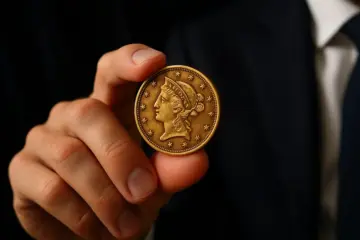
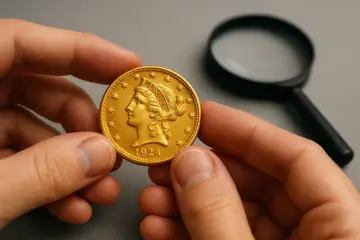
A 1924 Saint-Gaudens Double Eagle, for example, isn’t just a lump of gold. Depending on its condition and mint mark, it could be worth significantly more than its gold content alone. But walk into the wrong buyer, and they’ll quote you melt value and nothing more. They’re not lying to you — they’re just not the right buyer for that coin.
Before you sell anything, know what you have. If your coins look old, unusual, or have mint marks you don’t recognize, it’s worth getting a professional opinion. Services like PCGS grading exist precisely to establish a coin’s certified value — and a graded coin almost always commands a better price than an ungraded one.
Not Every Buyer in the City Plays Fair
New York has no shortage of places willing to buy your gold. Pawn shops, online platforms, estate buyers, coin dealers — the options can feel overwhelming. The problem isn’t finding a buyer. The problem is finding a trustworthy buyer who will give you a fair offer without rushing you, lowballing you, or using confusing language to obscure what they’re actually paying.
A few things to watch for. Some buyers will weigh your coins in pennyweight rather than troy ounces — a unit that sounds official but results in a lower payout when the math is done. Others will quote you a percentage of spot price without telling you what spot price they’re using. And some will make an offer that expires in minutes, banking on the pressure to get you to accept before you’ve had time to think.
The sellers who get the best outcomes are the ones who come prepared. They’ve checked the current gold spot price before walking in. They’ve gotten more than one offer. And they’ve chosen a buyer with a verifiable track record — not just a sign in a window. Many people who’ve worked with established local buyers like Manhattan Gold & Coin Buyers describe the experience as refreshingly straightforward compared to what they encountered elsewhere in the city.
Condition Matters More Than Most People Realize
Here’s something that surprises a lot of first-time sellers: how you store and handle your coins before selling them can directly affect how much you receive. Gold coins that have been cleaned, polished, or stored improperly can lose numismatic value — sometimes dramatically.
Collectors and serious buyers can spot a cleaned coin immediately. The surface looks too bright, too uniform. Natural wear on an old coin is expected and acceptable. Artificial shine is a red flag that tells a knowledgeable buyer the coin has been tampered with, and they’ll price it accordingly — lower.
If you’ve inherited a collection and aren’t sure how to handle it, the safest approach is to leave the coins exactly as you found them. Don’t clean them. Don’t polish them. Don’t store them in plastic bags that can cause chemical reactions. Bring them in as-is and let a professional assess them. You can read more about how uncommon finds are evaluated in this piece on NYC’s unexpected coin discoveries — it gives a good sense of how much variation there is in what people bring in.
Timing Your Sale Is a Real Strategy
Gold prices move. Not wildly day to day, but over weeks and months the shifts can be significant. Selling when gold is at a multi-year high versus a temporary dip can mean hundreds of dollars of difference on even a modest collection.
This doesn’t mean you need to become a commodities trader. It just means paying attention. Check the spot price on a site like Kitco or the World Gold Council before you head out to sell. If the price has been climbing, that’s a good sign. If it’s pulled back recently from a high, it might be worth waiting a few weeks.
That said, don’t let perfect be the enemy of good. Trying to time the absolute peak of the gold market is a fool’s errand. If the price is strong and you have a fair offer in hand from a reputable buyer, that’s often the right moment to move. Waiting indefinitely while prices fluctuate rarely results in a meaningfully better outcome — and it keeps your money tied up in metal sitting in a drawer.
If you’re ready to take the next step, reaching out directly to a local expert who can evaluate your specific coins is the most practical starting point. Bring what you have, ask questions, and don’t feel pressured to accept any offer on the spot. A buyer worth working with will respect that.
Frequently Asked Questions About Sell Gold Coins
How do I know if I’m getting a fair price when I sell gold coins in NYC?
The best way to ensure a fair price is to check the current spot price of gold before visiting any buyer, which you can find on financial websites like Kitco or APMEX. Reputable NYC jewelry buyers will offer you a percentage of the spot price based on your coin’s gold content, weight, and condition. We recommend getting quotes from at least two or three local buyers in neighborhoods like the Diamond District on 47th Street before making a final decision.
Do I need an appointment to sell gold coins at a jewelry store in NYC?
Most jewelry stores and gold buyers in NYC welcome walk-in customers, especially in busy areas like Midtown Manhattan or the Diamond District. However, if you have a large collection of gold coins or rare numismatic pieces, calling ahead to schedule an appointment ensures you get dedicated time with an experienced appraiser. Bringing your coins in a secure case or envelope and having any original packaging or certificates of authenticity ready can also help speed up the process.
What types of gold coins can I sell at NYC jewelry stores?
NYC jewelry buyers typically purchase a wide variety of gold coins, including American Gold Eagles, Canadian Maple Leafs, South African Krugerrands, and older pre-1933 U.S. gold coins like Double Eagles and Liberty Head coins. Some buyers also specialize in rare or collectible numismatic coins, which may fetch a premium above the standard melt value depending on their rarity and condition. It’s always worth mentioning any special markings, mint years, or historical significance your coins may have, as this can significantly impact their value.
Will I need to show ID when selling gold coins in NYC?
Yes, New York State law requires gold and precious metal buyers to collect valid government-issued identification from sellers, such as a driver’s license or passport, before completing any transaction. This regulation exists to help prevent the sale of stolen property and protect both buyers and sellers. The information is typically recorded in a transaction log that may be shared with local law enforcement, so be prepared to present your ID and have your personal details documented during the sale.
Is it better to sell gold coins by weight or as collectibles at NYC jewelry stores?
This depends entirely on the type of coins you have — bullion coins like American Gold Eagles are typically valued primarily by their gold weight and current spot price, while rare or historically significant coins may be worth considerably more to a numismatic collector than their melt value alone. Before selling, it’s wise to research your specific coins on resources like the Professional Coin Grading Service (PCGS) website to see if they carry any collectible premium. A reputable NYC jewelry store with expertise in both bullion and numismatics can evaluate your coins from both angles and help you decide which selling approach will get you the most money.