What Most People Get Wrong When They Sell Gold Coins in NYC
Every few months, someone walks into a coin buyer’s shop in Manhattan with a coffee can full of gold coins they inherited from a grandparent — and almost no idea what they’re actually holding. If you’re thinking about how to sell gold coins in NYC, the process is more nuanced than most people expect, and the mistakes made in the first few steps can cost you real money. Here’s what you should know before you do anything else.
Your Coins Are Probably Worth More Than the Melt Price
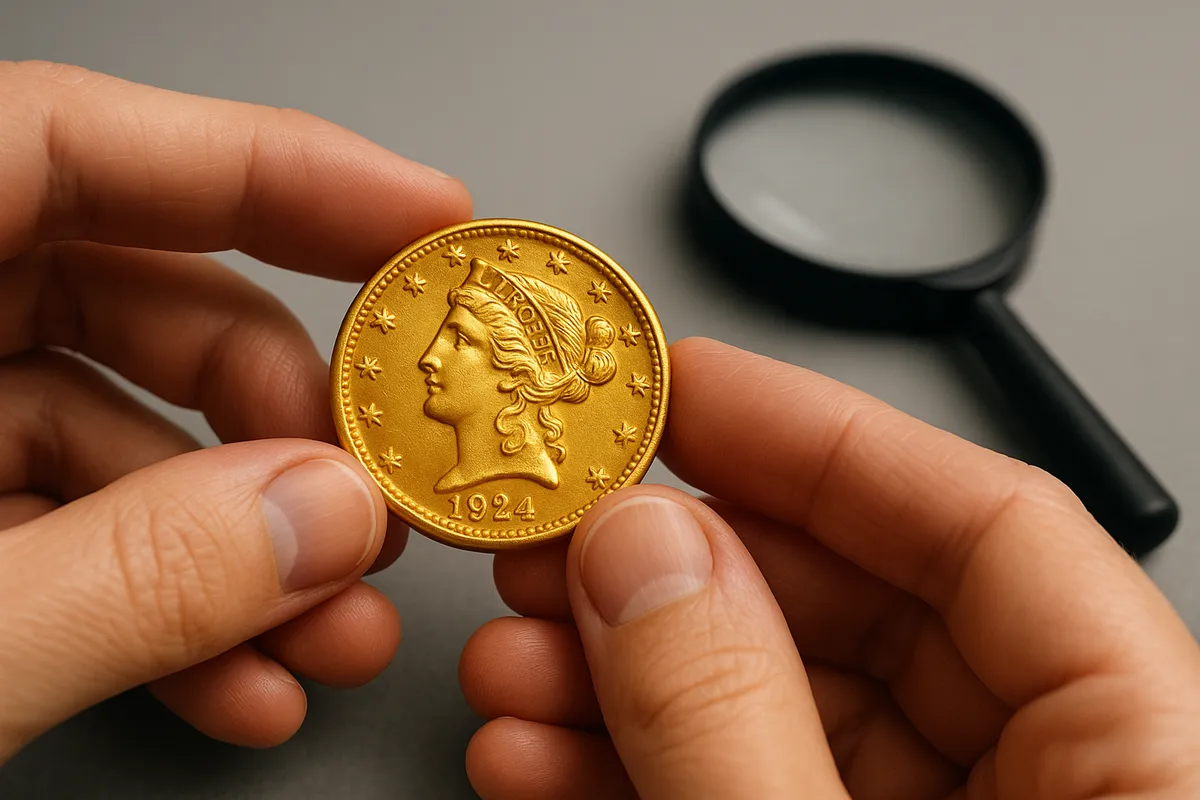
This is where most sellers leave money on the table. When gold prices are strong, it’s tempting to think of coins purely in terms of their metal content — the so-called melt value. But a lot of gold coins carry what’s called a numismatic premium, meaning collectors will pay above and beyond what the raw gold is worth.
American Gold Eagles, Saint-Gaudens Double Eagles, and pre-1933 U.S. gold coins are prime examples. A common date Double Eagle in circulated condition might be worth 10 to 20 percent over melt. A rare date in excellent condition? The premium could be multiples of the gold value. The same logic applies to foreign gold coins — British Sovereigns, Swiss Francs, and Mexican Pesos all have their own collector markets that fluctuate independently of spot gold prices.
The point is simple: before you accept any offer based purely on weight and karat, get a proper assessment. A buyer who specializes in PCGS-graded coins will know the difference between a coin worth its weight and one worth considerably more.
The Buyer You Choose Changes Everything
Not all buyers are created equal, and in a city like New York, you have options — which is both a blessing and a potential trap. Pawn shops, online platforms, estate sale companies, and dedicated coin dealers all operate with different pricing models, different expertise levels, and very different motivations.
Pawn shops are convenient, but they’re generalists. They’ll offer you a quick number based on gold weight and move on. Online platforms can expose your coins to a wider audience, but shipping valuable items carries risk, fees eat into your return, and you lose the ability to negotiate in real time. Auction houses are worth considering for genuinely rare pieces, but their commissions can run 15 to 25 percent — a significant chunk of your final sale price.
A dedicated local coin buyer, on the other hand, has every incentive to accurately assess what you have. Their reputation depends on fair dealing, and their expertise means they can spot value that a generalist would miss. Many people who’ve sold through Manhattan Gold Coin Buyers have noted afterward that they were surprised by how straightforward and transparent the process was — a sentiment that comes up repeatedly from first-time sellers who expected the experience to feel more like a negotiation and less like a conversation.
If you want to understand how the local market works and what drives pricing decisions, this breakdown of common myths is worth reading before you walk in anywhere.
Condition and Documentation Matter More Than Most Sellers Realize
Here’s something that doesn’t get talked about enough: how you store and present your coins affects what you’re offered. Cleaning a coin — even gently — can permanently reduce its value in the eyes of a serious collector. The natural patina that develops on old gold coins is considered part of their authenticity. Scrubbing it away signals to a knowledgeable buyer that the coin has been tampered with, which drops it out of the premium collector market entirely.
On the documentation side, if you have original packaging, certificates of authenticity, or prior appraisal records, bring them. A coin with provenance — a traceable ownership history — can command a higher price, particularly for pieces with historical significance. If your coins came from an estate, any records connecting them to a notable collection add real value.
As fall approaches and people start sorting through family estates and storage units, this becomes especially relevant. It’s worth taking the time to organize what you have before you walk in the door.
Timing Your Sale Is a Real Strategy
Gold prices move. Sometimes dramatically. Selling when spot prices are elevated gives you a better floor price on every coin in your collection, regardless of numismatic value. Keeping a loose eye on gold’s performance isn’t obsessive — it’s practical.
Beyond the spot price, local market conditions matter too. NYC’s coin market has seasonal rhythms tied to estate sales, auctions, and collector events. Knowing when buyer demand is highest can give you a small but meaningful edge. For a deeper look at how to time your sale strategically, this piece on summer strategy for NYC investors covers the market dynamics clearly.
The bottom line is this: selling gold coins isn’t something you should rush. Take the time to understand what you have, choose a buyer with genuine expertise, and don’t let impatience push you into a deal that undervalues your collection. If you’re ready to get started or just want a no-pressure conversation about what your coins might be worth, reaching out to a local specialist costs you nothing and could make a meaningful difference in what you walk away with.
Frequently Asked Questions About Sell Gold Coins
Where can I sell gold coins in NYC and get a fair price?
There are several reputable options for selling gold coins in New York City, including established jewelry stores in the Diamond District on 47th Street, certified coin dealers, and local pawn shops. For the best experience, look for buyers who are members of professional organizations like the American Numismatic Association (ANA) or the Jewelers of America, as these affiliations indicate a commitment to ethical pricing and transparency. Always get quotes from at least two or three buyers before making a decision to ensure you receive a competitive offer.
How do I know if my gold coins are worth selling based on gold content or collector value?
Gold coins can have two types of value: their melt value, which is based purely on the weight and purity of the gold, and their numismatic value, which reflects their rarity, condition, and collector demand. For example, a common American Gold Eagle coin may be priced close to its melt value, while a rare pre-1933 Saint-Gaudens Double Eagle could fetch significantly more from a collector. A professional coin dealer or jeweler in NYC can assess both values and help you determine which selling approach will net you the most money.
What documents or identification do I need to bring when selling gold coins in NYC?
When selling gold coins in New York City, you are legally required to present a valid government-issued photo ID, such as a driver’s license, state ID, or passport, as dealers must comply with New York State regulations regarding secondhand precious metal transactions. Some dealers may also ask you to fill out a brief form with your personal information, which is kept on file as part of their record-keeping requirements. Having any original packaging, certificates of authenticity, or purchase receipts for your coins can also help establish provenance and potentially increase your offer.
How is the price I’m offered for my gold coins calculated in NYC?
Most NYC gold buyers calculate offers based on the current spot price of gold, which fluctuates daily on the commodities market, multiplied by the weight and purity of your coins. For instance, a one-ounce American Gold Eagle coin is made of 22-karat gold, so its melt value is calculated using the current gold spot price adjusted for its actual gold content. Reputable dealers typically offer between 90% and 98% of the spot price for bullion coins, so checking live gold prices on sites like Kitco or APMEX before your appointment will help you evaluate whether an offer is fair.
Is it safe to sell gold coins in NYC, and what should I watch out for to avoid scams?
Selling gold coins in NYC is generally safe when you choose established, well-reviewed businesses, but there are some red flags to watch for, including dealers who refuse to show their calculations, offer prices far below market value, or pressure you into making an immediate decision. Always research a buyer’s reputation through Google reviews, the Better Business Bureau, or word-of-mouth recommendations from other New Yorkers before visiting. It is also wise to avoid street buyers or pop-up gold buying events, as these are more likely to use inaccurate scales or misleading pricing tactics that could cost you hundreds of dollars.