What Every New Yorker Gets Wrong Before Selling Their Gold Coins
Every week, people walk into coin shops and jewelry buyers across the city hoping to sell gold coins in NYC — and every week, a surprising number of them leave money on the table. Not because they were unlucky, but because they came in without knowing a few things that would have made a real difference. This isn’t about being an expert collector. It’s about understanding the basics before you hand over something that could be worth significantly more than you realize.

Your Coin Is Probably Worth More Than the Gold Alone
Here’s the mistake that costs people the most: assuming that gold coins are valued purely by their metal content. Melt value — the raw worth of the gold inside — is a floor, not a ceiling. Coins carry numismatic value on top of that, meaning their worth as collectibles, historical artifacts, or rare pieces can push the price well beyond what the spot price of gold would suggest.
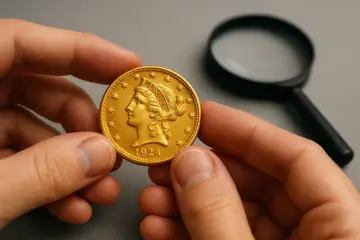
A 1924 Saint-Gaudens Double Eagle, for example, isn’t just an ounce of gold. It’s a piece of American monetary history with a collector market all its own. The same logic applies to pre-1933 U.S. gold coins, foreign sovereigns, and limited-mint issues. Before you sell, it pays to understand which category your coin falls into — because a buyer who only quotes melt value on a numismatically significant piece is leaving your money in their pocket.
If you’re curious about what certification can do for your coin’s value, it’s worth reading up on PCGS-graded coins and how professional grading affects what buyers are willing to pay.
The Buyer You Choose Changes Everything
Not all buyers are created equal, and in a city as large and varied as New York, the difference between a good offer and a great one can be substantial. Pawn shops, online platforms, estate sale companies, and dedicated coin dealers all operate on different margins and with different levels of expertise. A pawn shop might offer 40 to 50 cents on the dollar. A specialist who actually knows the coin market — and has buyers for specific pieces — can do considerably better.
Customers who’ve worked with experienced local dealers often describe the difference as night and day. The conversation changes from a quick lowball to a genuine assessment of what the piece is, what it’s worth, and what a fair price looks like. That kind of transparency matters, especially when you’re selling something that belonged to a family member or has sat in a collection for decades.
Manhattan Gold Coin Buyers has built its reputation in this city on exactly that kind of honest dealing — years of experience, a genuine knowledge of the coin market, and a straightforward process that doesn’t leave sellers guessing. If you want to know more about what they buy and how they assess value, their We Buy page lays it out clearly.
Timing Matters More Than Most People Think
Gold prices fluctuate — sometimes dramatically — based on global economic conditions, inflation data, and investor sentiment. Selling when gold is near a multi-year high versus selling during a dip can mean a meaningful difference in what you walk away with. That’s not to say you should try to time the market perfectly, but it does mean paying attention before you sell.
Right now, gold has been trading at historically strong levels. Demand from institutional investors, central banks, and individual buyers has kept prices elevated. For anyone sitting on gold coins they’ve been meaning to sell, this is not a moment to ignore. The fundamentals that are driving gold prices upward aren’t going away quickly, but markets do shift — and waiting indefinitely has its own risks.
For a deeper look at how market conditions affect what sellers can realistically expect, the piece on NYC’s uncommon finds and the stories behind them is worth a read.
What to Do Before You Walk In the Door
A little preparation goes a long way. Before you bring your coins in for an appraisal, do a few things that will make the whole process smoother and more profitable for you.
Know what you have. Even a basic identification — the coin’s country of origin, year, and denomination — helps establish a starting point. You don’t need to be a numismatist, but knowing whether you have a Krugerrand, a Canadian Maple Leaf, or a U.S. Eagle puts you in a stronger position.
Don’t clean your coins. This is one of the most common and costly mistakes sellers make. Cleaning a coin — even gently — can destroy its numismatic value. Collectors and graders prize original surfaces. A coin that looks “polished” to an untrained eye looks damaged to a professional buyer.
Get more than one offer. A reputable buyer won’t pressure you into a same-day decision. Take your time, compare what different buyers are offering, and ask questions about how they arrived at their number. If someone can’t explain their valuation clearly, that’s a signal worth paying attention to.
Bring documentation if you have it. Original packaging, certificates of authenticity, or prior appraisals all support your case and can help a buyer move faster and more confidently toward a strong offer.
Selling gold coins in New York doesn’t have to be a stressful experience. With the right buyer, the right timing, and a basic understanding of what you’re holding, it can be a straightforward transaction that puts real money in your hands — and leaves you feeling good about the deal you made.
Frequently Asked Questions About Sell Gold Coins
How do I know if I’m getting a fair price when I sell gold coins in NYC?
To ensure you’re getting a fair price, always check the current spot price of gold before visiting any buyer in NYC — you can find live prices on sites like Kitco or APMEX. A reputable local jewelry buyer or coin dealer should offer you a percentage close to the current spot price, typically between 90% and 98% for popular bullion coins like American Gold Eagles or Canadian Maple Leafs. It’s also a smart idea to get quotes from at least two or three different buyers in the city before committing to a sale.
What types of gold coins do NYC buyers typically accept?
Most reputable gold coin buyers in NYC accept a wide range of coins, including American Gold Eagles, South African Krugerrands, Canadian Maple Leafs, Austrian Philharmonics, and Chinese Gold Pandas. Rare or collectible coins, such as pre-1933 U.S. gold coins like Saint-Gaudens Double Eagles, may be valued both for their gold content and their numismatic (collector) premium. It’s always best to call ahead and confirm that the buyer you’re visiting has experience with the specific type of coin you’re looking to sell.
Do I need any paperwork or ID to sell gold coins in NYC?
Yes, you will need to bring a valid government-issued photo ID, such as a New York State driver’s license or passport, when selling gold coins to any licensed buyer in NYC. New York State law requires precious metal dealers to record the identity of sellers as part of anti-theft and anti-money laundering regulations. Some buyers may also ask you to sign a declaration of ownership, so be prepared to provide basic information about how you acquired the coins.
Is it better to sell gold coins to a jewelry store, a coin dealer, or a pawn shop in NYC?
Each option has its pros and cons — coin dealers often offer the best prices for bullion and collectible coins because they have a direct market for reselling them, while jewelry stores may offer competitive rates especially for gold bullion coins. Pawn shops in NYC tend to offer lower payouts since they need to build in a larger profit margin due to the uncertainty of resale. For the highest return, we recommend visiting a dedicated jewelry buyer or coin dealer in neighborhoods like the Diamond District on 47th Street, where competition among buyers helps keep offers competitive.
How quickly can I get paid when I sell gold coins at a NYC jewelry store?
Most reputable jewelry buyers and coin dealers in NYC will pay you on the spot, typically in cash or by check, on the same day you bring in your coins. The process usually involves a quick assessment of the coin’s weight, purity, and condition, which can take anywhere from a few minutes to half an hour depending on the number of coins you’re selling. If you’re selling a large quantity or particularly rare coins, some buyers may request a short holding period to verify authenticity, but same-day payment is the standard for most common gold bullion coins.