Sell Gold Coins: the Springtime Flip for Smart Investors
If you’ve been holding onto a collection of gold coins, wondering when the right moment might arrive to sell gold coins in NYC, you’re not alone. Thousands of New Yorkers sit on valuable pieces without realizing the market conditions that could work in their favor. The truth is, timing matters less than understanding what you actually have and where you take it. Most people walk into the wrong place, accept the first offer, and leave money on the table without even knowing it.
Why Most Coin Sellers Get Lowballed
The biggest mistake collectors make is treating all buyers the same. They assume a pawn shop, a jewelry store, and a specialized coin dealer will offer similar prices. That assumption costs them hundreds, sometimes thousands of dollars. Generic buyers look at gold coins as scrap metal. They weigh them, check the spot price, and make an offer based purely on melt value. But coins often carry numismatic value that has nothing to do with their weight in gold.
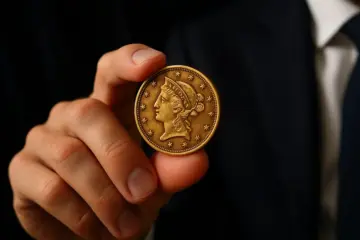
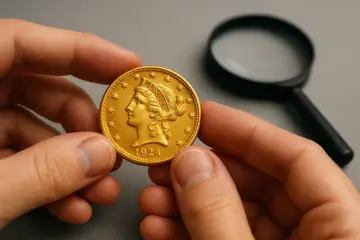
A 1924 Saint-Gaudens Double Eagle might contain roughly one ounce of gold, but its collector value could be double or triple the metal content depending on condition and mint mark. If you walk into a place that doesn’t specialize in coins, they won’t tell you that. They’ll pay you for the gold and flip the coin to someone who knows better.
Manhattan Gold & Coin Buyers has spent over two decades evaluating coins based on both their precious metal content and their collectible worth. That dual expertise makes a measurable difference when you’re on the selling end of the transaction.
The Three Types of Gold Coins and What They’re Really Worth
Not all gold coins are created equal, and understanding the category yours falls into changes everything about how you should approach selling them.
Bullion coins are straightforward. American Gold Eagles, Canadian Maple Leafs, and South African Krugerrands are valued primarily for their gold content. The price you get will track closely with the current spot price of gold, plus a small premium for the coin’s recognizability and liquidity. These are the easiest to sell because their value is transparent and universally understood.
Semi-numismatic coins occupy a middle ground. Pre-1933 U.S. gold coins like Liberty Head Eagles and Indian Head Quarter Eagles have both melt value and collector interest. Their premium over spot depends on date, mint mark, and condition. A common-date coin in average condition might sell for 10-20% over melt. A scarcer date in excellent condition could command significantly more.
Rare numismatic coins are where the real money lives, but also where the most confusion happens. A 1907 High Relief Saint-Gaudens or an 1879 Flowing Hair Stella can be worth tens of thousands of dollars regardless of gold content. These coins require professional grading, authentication, and a buyer who understands the numismatic market. Selling these to the wrong buyer is like trading a vintage Ferrari for scrap metal prices.
The challenge is that many sellers don’t know which category their coins fall into. They inherited a collection, found coins in a safe deposit box, or bought them years ago without keeping detailed records. A knowledgeable buyer will assess each piece individually and explain exactly what you have before making an offer.
What Actually Drives Coin Prices in New York
Gold prices fluctuate daily, but that’s only part of the equation. The New York market has its own dynamics that affect what buyers are willing to pay. The city has a concentrated population of serious collectors, which means demand for quality numismatic pieces stays strong even when gold prices dip. That’s different from smaller markets where buyers might only be interested in bullion.
Economic uncertainty tends to drive interest in physical gold. When stock markets get volatile or inflation concerns rise, more people look to gold coins as a hedge. That increased demand can push premiums higher, especially for recognizable bullion coins that new buyers feel comfortable purchasing.
The condition of your coins matters more than most people realize. A coin that’s been cleaned improperly loses significant value. Scratches, dents, or environmental damage can drop a coin from one grade to another, which might mean a difference of hundreds of dollars. Professional buyers can spot these issues immediately, but they also know how to accurately assess coins that have been properly preserved.
If you’re curious about the specific factors that determine coin values, this article breaks down common myths that cause sellers to undervalue their collections.
How to Avoid the Three Biggest Selling Mistakes
The first mistake is accepting an offer without getting a second opinion. One quote doesn’t tell you anything about the market. A reputable dealer won’t pressure you to sell immediately. They’ll explain their offer, show you how they arrived at the price, and give you time to consider it. If someone’s pushing you to decide on the spot, that’s a red flag.
The second mistake is failing to understand what you have before you start shopping it around. Take inventory. Photograph your coins. Note any dates, mint marks, or unusual features. Do basic research on what similar coins have sold for recently. You don’t need to become an expert, but walking in with zero knowledge makes you an easy target for lowball offers.
The third mistake is choosing convenience over value. The closest buyer isn’t necessarily the best buyer. New York has dozens of places that will buy gold coins, but expertise varies wildly. A specialized dealer with PCGS certification knowledge and decades of experience will consistently offer more than a generic gold buyer who’s really focused on jewelry and scrap.
Location matters too. Manhattan Gold & Coin Buyers operates in the Diamond District, which means they’re surrounded by serious buyers and sellers every day. That environment keeps them competitive and informed about current market conditions. They can’t afford to make weak offers when collectors have other options within walking distance.
What Happens During a Professional Coin Evaluation
A proper evaluation takes time. The dealer should examine each coin individually, checking for authenticity, assessing condition, and identifying any factors that affect value. They’ll use magnification to look for wear patterns, cleaning damage, or alterations. They’ll verify weight and dimensions. For potentially valuable pieces, they might recommend third-party grading.
You should get an itemized breakdown showing what each coin is worth and why. If you have ten coins and they’re all lumped into one offer, ask for specifics. Understanding the individual values helps you make informed decisions, especially if you’re considering selling only part of your collection.
The best dealers will educate you during the process. They’ll point out what makes certain coins more valuable, explain grading standards, and discuss market conditions. That transparency builds trust and ensures you understand exactly what you’re selling and what you’re getting for it.
If you’re dealing with inherited coins or pieces you’ve held for years, this guide explores how to uncover hidden value in collections that might be worth more than you think.
When Selling Makes Sense and When It Doesn’t
Sometimes holding onto coins is the smarter move. If you have rare numismatic pieces that are appreciating faster than gold prices, selling now might mean leaving future gains on the table. If you’re not sure about the rarity or potential of your collection, getting a professional assessment before deciding to sell makes sense.
On the other hand, if you have common-date bullion coins and you need liquidity, waiting for the “perfect” moment often means missing good opportunities. Gold prices are unpredictable. Trying to time the market perfectly is a gamble. If current prices meet your needs, selling makes sense.
Estate situations often require selling regardless of market conditions. Executors dealing with inherited collections need to convert assets to cash for distribution. In those cases, working with a buyer who can handle large collections efficiently and fairly becomes the priority.
The key is making an informed decision based on your specific situation
Frequently Asked Questions About Sell Gold Coins
How do I know if my gold coins are worth selling in NYC?
The value of your gold coins depends on their gold content, rarity, condition, and current market prices. Common bullion coins like American Eagles or Canadian Maple Leafs are valued primarily by their gold weight, while rare collectible coins may have numismatic value beyond their gold content. Visit a reputable NYC jewelry buyer who can assess both the precious metal value and any collector premium your coins might carry.
What documents do I need to bring when selling gold coins in New York?
New York State law requires you to present a valid government-issued photo ID when selling gold coins, such as a driver’s license or passport. Reputable buyers will record your information for compliance purposes. If you have certificates of authenticity, original packaging, or appraisal documents for your coins, bring those as well, as they can help establish provenance and potentially increase the value of rare or collectible pieces.
Should I sell my gold coins to a jewelry store or a coin dealer in NYC?
This depends on what type of coins you have. For common bullion coins valued mainly for gold content, established jewelry buyers in Manhattan’s Diamond District often offer competitive prices based on current gold spot prices. However, if you have rare, collectible, or antique coins with numismatic value, a specialized coin dealer may recognize their additional worth and offer a better price. Getting quotes from both types of buyers is always wise.
How is the price for my gold coins calculated?
Gold coin prices are typically based on the current spot price of gold per troy ounce, multiplied by the coin’s gold content and purity. For example, a one-ounce American Gold Eagle contains 91.67% pure gold. Buyers will offer a percentage of the spot price, usually 90-98% for bullion coins, depending on market conditions and the buyer’s overhead. Rare coins with collectible value may command premiums above their gold content value.
Is it safe to walk around NYC with gold coins to sell them?
While Manhattan’s Diamond District and reputable jewelry buying locations are generally safe during business hours, it’s smart to take precautions. Avoid displaying your coins publicly, use discreet packaging, and consider visiting during daytime hours when the area is busy. Many established NYC buyers offer secure, private evaluation rooms. If you have a large or particularly valuable collection, some buyers may offer insured pickup or arrange for secure transportation to protect both you and your investment.