Sell Gold Coins: Unlocking Value in NYC’s Spring Market
If you’ve been holding onto gold coins wondering when the right time to sell might be, you’re not alone. Many New Yorkers discover they’re sitting on significant value without realizing it. Whether you inherited a collection from a family member or picked up coins as an investment years ago, understanding how to sell gold coins in NYC can mean the difference between getting fair market value and leaving money on the table. The city’s unique market dynamics, combined with current precious metals pricing, create opportunities that savvy sellers can capitalize on—if they know what to look for.
Manhattan Gold & Coin Buyers has been helping New Yorkers navigate this process for over two decades, and what we’ve learned might surprise you. The biggest mistake people make isn’t about timing the market or finding the right buyer. It’s about not understanding what they actually have before they walk through a dealer’s door.
Not All Gold Coins Are Created Equal
Here’s something most people don’t realize: two gold coins that look nearly identical can have wildly different values. A common American Gold Eagle might be worth its weight in gold—currently around $2,000 for a one-ounce coin. But a rare Saint-Gaudens Double Eagle from 1907 with the right mint mark could fetch $10,000 or more, regardless of gold’s spot price.
The difference comes down to three factors: gold content, rarity, and condition. Modern bullion coins like Eagles, Maple Leafs, or Krugerrands are valued primarily for their precious metal content. They’re easy to price because they follow the spot market closely. Numismatic coins—those with collectible value—operate in an entirely different universe.
Before you consider parting with any coins, take time to identify exactly what you have. Look for dates, mint marks (the small letters indicating where a coin was made), and any unusual features. A PCGS-certified coin in a sealed holder already has its authenticity and grade verified, which significantly streamlines the selling process and often commands better prices.
We’ve seen customers walk in with coffee cans full of “old coins” that turned out to contain several thousand dollars in rare pieces they assumed were worthless. Conversely, we’ve had people convinced their coins were rare treasures when they were actually common modern strikes worth melt value. Knowledge is your most valuable asset in this process.
Why NYC Dealers Aren’t All the Same
Manhattan’s Diamond District alone has dozens of gold buyers, and you’ll find even more scattered throughout the boroughs. The temptation is to hit several shops and take the highest offer. That approach isn’t necessarily wrong, but it misses a critical point: expertise matters more than you think.
A pawn shop or generic “We Buy Gold” storefront typically focuses on scrap jewelry and bullion. They’ll weigh your coins, check the spot price, and make an offer based on gold content. For modern bullion, that’s fine. But if you have pre-1933 U.S. gold coins, foreign rarities, or anything with potential numismatic value, you need a dealer who specializes in coins.
The difference in offers can be staggering. We’ve purchased collections from customers who visited other buyers first and were quoted 50-60% of what the coins were actually worth. These weren’t dishonest dealers necessarily—they simply didn’t recognize what they were looking at. A Liberty Head gold coin to them was just 0.48375 troy ounces of gold. To a knowledgeable numismatist, it might be a key date worth triple the melt value.
Location matters too. Operating in Midtown Manhattan means higher overhead, but it also means access to a network of serious collectors and dealers nationwide. When we evaluate your coins, we’re not just thinking about our own inventory needs—we’re considering what specialized collectors might pay. That broader market access translates directly into better offers for sellers.
The Truth About Timing Your Sale
People obsess over gold prices, watching charts and waiting for the “perfect” moment to sell. Here’s what twenty years in this business has taught us: trying to time the precious metals market perfectly is a fool’s errand. Even professional traders get it wrong more often than they’d like to admit.
Gold prices fluctuate based on factors most people don’t follow closely—currency valuations, international tensions, central bank policies, inflation expectations. By the time you read about these factors in mainstream news, the market has already moved. Waiting for gold to hit some arbitrary number often means missing good opportunities while the coins sit in a drawer doing nothing.
A smarter approach? Understand your personal situation first. If you need liquidity, have no interest in coins, or inherited pieces you’ll never appreciate, current market conditions are probably fine for selling. Gold has held strong value for years, and reputable dealers offer fair prices regardless of minor daily fluctuations.
The exception is if you have truly rare numismatic pieces. The collector market operates somewhat independently of gold spot prices. A rare coin’s value is driven by collector demand, which can actually strengthen during economic uncertainty when people seek tangible assets. If you suspect you have significant rarities, getting a professional evaluation is worth the time—even if you’re not ready to sell immediately.
One customer recently shared that they’d been holding coins for five years waiting for gold to hit $2,500 per ounce. When they finally came in, we discovered several pieces with numismatic premiums that had nothing to do with spot gold prices. They’d been focusing on the wrong metric entirely, potentially missing years of strong collector market conditions.
What Happens During a Professional Evaluation
Walking into a coin dealer for the first time can feel intimidating, especially if you’re carrying something valuable. Understanding the process helps. At established dealers, evaluation follows a consistent pattern designed to protect both parties.
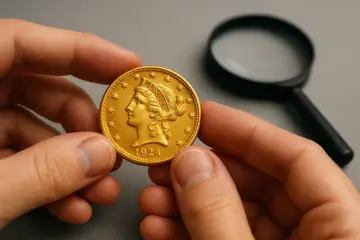
First, expect the dealer to examine each piece individually under magnification. They’re checking authenticity, looking for counterfeits, and assessing condition. This isn’t personal—even experienced collectors occasionally encounter sophisticated fakes. Professional dealers use various tools: precision scales, specific gravity tests, and sometimes electronic analyzers to verify gold content.
For coins with potential numismatic value, grading is crucial. The difference between a coin graded MS-63 and MS-65 can be thousands of dollars, even though both are uncirculated. Reputable dealers will explain their assessment and show you what they’re seeing. If you have coins you believe are particularly valuable, consider getting them professionally graded before selling. The certification fee might pay for itself many times over.
Pricing comes next. For bullion, dealers typically offer a percentage of spot price—usually 90-95% for common coins in good condition. The margin covers their operating costs and allows for market fluctuations before they resell. For numismatic pieces, pricing involves consulting recent auction results, dealer networks, and published guides. This process takes longer but results in more accurate valuations.
Don’t expect dealers to match retail prices you find online. They need to resell your coins at a profit, which means their buy price will be below retail. However, a knowledgeable dealer’s offer should be competitive with what you’d net after fees and shipping if you sold directly to collectors yourself—without the hassle and risk.
The best dealers provide transparency. They’ll explain their offers, show you current market data, and give you time to consider. If someone pressures you to sell immediately or makes you feel uncomfortable asking questions, walk away. Your coins will still be valuable tomorrow, and finding the right buyer is worth the extra effort.
New York’s coin market offers advantages you won’t find in smaller cities—deep expertise, competitive pricing, and immediate payment. Whether you’re liquidating an inherited collection or simply ready to convert gold into cash, understanding these realities helps ensure you get fair value for pieces that might have been sitting forgotten in a safe deposit box for years. The key is approaching the process informed, patient, and willing to work with dealers who demonstrate genuine expertise in what you’re selling.
Frequently Asked Questions About Sell Gold Coins
How do I know if my gold coins are worth selling in NYC?
The value of your gold coins depends on several factors including their gold content, rarity, condition, and current market prices. Common bullion coins like American Eagles or Canadian Maple Leafs are valued primarily by their gold weight, while rare or collectible coins may have numismatic value that exceeds their gold content. It’s best to get a professional appraisal from a reputable NYC dealer who can assess both the precious metal value and any collector premium your coins might carry.
What documents do I need to bring when selling gold coins in New York City?
In NYC, you’ll need to bring a valid government-issued photo ID such as a driver’s license or passport when selling gold coins. This is required by law to prevent theft and ensure legitimate transactions. Some dealers may also ask you to provide proof of address or fill out a seller’s form with your contact information. It’s a good idea to bring any certificates of authenticity or original packaging if you have them, as these can help establish the coin’s provenance and potentially increase its value.
Where are the most trustworthy places to sell gold coins in NYC?
The Diamond District on 47th Street in Manhattan is home to many established precious metals dealers with decades of experience. Look for businesses that are members of professional organizations like the Professional Numismatists Guild or have strong Better Business Bureau ratings. Reputable jewelers in neighborhoods throughout the five boroughs can also be excellent options. Always get multiple quotes, read online reviews, and avoid dealers who pressure you to sell immediately or offer prices that seem too good to be true.
How is the price for my gold coins determined?
Gold coin prices are based on the current spot price of gold, which fluctuates throughout the trading day, plus or minus any premiums or discounts. Dealers typically offer a percentage of the spot price based on the coin’s weight and purity (such as 22-karat or 24-karat gold). Rare or collectible coins may command higher prices based on their numismatic value, condition, and demand among collectors. Most reputable NYC dealers will show you the current spot price and explain exactly how they calculated their offer.
Should I sell my gold coins now or wait for prices to go up?
Timing the gold market perfectly is nearly impossible, even for professionals. If you need cash immediately or are satisfied with current gold prices, selling now makes sense. However, if you’re not in a hurry, you might monitor gold prices for a few weeks to see if there’s an upward trend. Keep in mind that holding onto coins also means potential storage and insurance costs. A reputable NYC dealer can provide insights into current market conditions, but ultimately the decision depends on your personal financial situation and goals.